Choosing the Right Garage Door R-Value for Wisconsin Homes
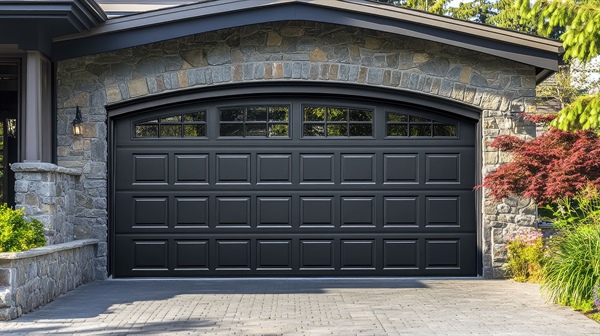
Garage door insulation plays a major role in how comfortable, energy-efficient, and durable a garage can be throughout the year. In colder climates like Wisconsin, homeowners often notice temperature swings inside the garage that affect nearby rooms, stored belongings, and even vehicle performance during winter months. One of the most important measurements used when comparing insulated garage doors is the R-value. Understanding what this number means can help homeowners make informed decisions when selecting a new garage door system that balances comfort, efficiency, noise control, and long-term performance.
Modern Overhead Door has worked with homeowners across Northeast Wisconsin since 1984, helping property owners understand how insulation impacts garage door performance in real-world conditions. Whether a garage is attached to the home, used as a workshop, or simply expected to provide better protection against harsh weather, choosing the correct insulation level can significantly improve year-round usability. Homeowners researching garage door installation options are often surprised by how much insulation affects daily comfort, energy usage, and operational noise.
Different insulation materials, construction methods, and R-value ratings all influence how a garage door performs over time. Higher insulation levels can help stabilize indoor temperatures, reduce outside noise, strengthen the garage door structure, and improve overall efficiency during extreme weather conditions. The following guide explores what R-value means, how different ratings affect garage environments, what insulation levels work best in cold climates, how insulation improves durability and sound reduction, and what homeowners should evaluate before selecting an insulated garage door.
What Does R-Value Mean When Choosing an Insulated Garage Door?
R-value measures a material’s resistance to heat transfer. In garage doors, this number indicates how effectively the insulated door slows the movement of heat between the garage interior and the outdoor environment. A higher R-value generally means stronger thermal resistance, which can help maintain more stable garage temperatures during both winter and summer conditions. Insulated garage doors are especially important for attached garages because temperature fluctuations can influence adjacent living spaces and increase overall heating and cooling demands.
Garage door manufacturers calculate R-values based on insulation type, thickness, and overall door construction. Common garage door insulation materials include polystyrene and polyurethane. Polystyrene insulation typically provides moderate thermal resistance and is often found in mid-range insulated doors. Polyurethane insulation usually delivers higher R-values because the foam expands to fill internal spaces within the door panels, creating improved thermal performance and structural rigidity. Modern insulated garage doors also incorporate thermal breaks, weather seals, and layered steel construction to improve energy performance beyond insulation alone.
Homeowners in Northeast Wisconsin often encounter harsh winter temperatures, heavy winds, and snow accumulation that place added importance on insulation performance. Modern Overhead Door notes that insulated garage doors with higher R-values can help regulate garage temperatures, reduce noise, and improve comfort throughout the home. Many homeowners exploring garage door installation options compare R-values to determine which door construction best aligns with their climate, garage usage, and long-term energy goals.
How Do Different Garage Door R-Values Impact Energy Efficiency and Comfort?
Different garage door R-values directly affect how much outside air and temperature transfer occurs through the garage door system. Lower R-value doors allow more heat transfer, which can cause garages to become extremely cold during winter and excessively warm during summer. Higher R-value doors slow this transfer, helping stabilize garage temperatures and reducing the strain placed on nearby HVAC systems. This becomes especially noticeable in homes where the garage shares walls, ceilings, or floors with finished living spaces.
Garages are often one of the largest openings in a home’s exterior envelope. Even small insulation improvements across large garage door surfaces can influence overall thermal efficiency. Insulated garage doors help reduce drafts and improve temperature consistency, especially when combined with proper weatherstripping and perimeter sealing. Higher insulation levels also help minimize condensation buildup that can occur when cold outdoor temperatures meet warmer indoor air. This reduction in moisture exposure may help protect tools, stored belongings, and vehicles from humidity-related issues.
Many homeowners notice practical comfort improvements immediately after upgrading to insulated garage doors. Attached garages often feel less cold during winter mornings, adjacent rooms may maintain more stable temperatures, and the garage itself becomes more usable for hobbies, exercise spaces, or workshops. Modern Overhead Door emphasizes energy-efficient insulated doors designed for Wisconsin’s climate conditions. Homeowners are comparing insulation performance while reviewing available residential services. Often, they evaluate how R-value ratings align with regional weather conditions, garage usage patterns, and long-term utility savings.
What R-Value Is Best for Garages in Cold Climate Areas?
Cold climate regions typically benefit from garage doors with moderate to high R-values because these environments experience extended periods of freezing temperatures, wind exposure, and snow accumulation. In northern states like Wisconsin, insulated garage doors with higher R-values help reduce temperature extremes inside the garage and improve comfort in adjacent living spaces. While the ideal R-value depends on garage usage and home construction, many cold-climate homeowners prioritize doors with polyurethane insulation and multi-layer construction for improved thermal performance.
Attached garages generally require greater insulation performance than detached garages because heat transfer from the garage can influence interior rooms. Bedrooms located above garages are especially affected by poorly insulated garage doors. Higher R-value garage doors can help reduce cold floor temperatures, drafts, and uneven heating patterns throughout the home. Garages used for workshops, gyms, laundry areas, or storage of temperature-sensitive materials may also benefit from stronger insulation levels because they require more consistent indoor conditions year-round.
Modern garage door manufacturers continue improving insulation technology to address harsh winter environments. Some insulated steel garage doors now offer advanced polyurethane insulation systems designed specifically for cold-weather durability and thermal efficiency. Midwest-focused garage door providers frequently highlight the importance of insulation in harsh winter climates because garages experience repeated freeze-thaw cycles, wind exposure, and extreme temperature swings. Modern Overhead Door emphasizes insulated garage doors that help withstand Wisconsin winters while improving thermal efficiency and reducing energy loss. Proper insulation selection can significantly improve comfort during long winter seasons without sacrificing durability or curb appeal.
How Does Garage Door Insulation Help Reduce Noise and Improve Durability?
Garage door insulation improves more than thermal efficiency. Insulated garage doors also help reduce operational noise and strengthen the overall structure of the door system. Multi-layer insulated garage doors contain additional materials that absorb vibration and reduce rattling during operation. This becomes especially important for attached garages or homes with bedrooms located above or beside the garage. Homeowners often notice quieter opening and closing cycles after replacing older non-insulated doors with insulated steel models.
Noise reduction occurs because insulated garage doors typically include layered steel construction combined with internal foam insulation. These materials dampen sound transmission from both outside sources and the garage door opener itself. Exterior traffic noise, wind, rain, and neighborhood activity may become less noticeable inside the garage and nearby rooms. Operational sounds such as vibration, panel flexing, and track movement are also reduced because insulated doors tend to maintain greater rigidity during movement.
Insulation can also improve long-term durability by strengthening garage door panels and reducing stress caused by temperature fluctuations. Polyurethane-insulated doors, in particular, often provide increased panel rigidity because the foam bonds to the internal structure of the door. This added strength may help reduce denting, warping, and panel fatigue over time. Modern Overhead Door highlights insulated garage doors designed to improve thermal efficiency while standing up to Northeast Wisconsin weather conditions. Stronger insulated construction can also help garage doors maintain smoother operation during years of repeated opening and closing cycles.
What Factors Should Homeowners Consider When Selecting the Right Garage Door Insulation Level?
Several factors influence which garage door insulation level is most appropriate for a specific home. Climate remains one of the most important considerations because colder regions generally benefit from higher R-value garage doors. Homeowners should also evaluate whether the garage is attached or detached, how often the space is used, and whether temperature-sensitive items are stored inside. Garages used as workshops, home gyms, hobby spaces, or laundry areas often require stronger insulation because comfort and temperature consistency become more important.
Door construction materials also affect insulation performance. Single-layer steel doors provide minimal insulation, while double-layer and triple-layer insulated doors typically offer stronger thermal resistance and structural durability. Polyurethane insulation generally delivers higher R-values and greater rigidity compared to polystyrene insulation systems. Weatherstripping, bottom seals, window construction, and installation quality also contribute to overall energy efficiency because even highly insulated doors can lose performance if gaps allow outside air infiltration.
Long-term operational goals should also guide insulation decisions. Homeowners planning to remain in their homes for many years often prioritize higher-efficiency garage doors because of improved comfort, quieter operation, and potential energy savings. Modern Overhead Door serves homeowners throughout Ripon, Wild Rose, Oshkosh, Fond du Lac, and surrounding Northeast Wisconsin communities with insulated garage door solutions designed for regional climate demands. :contentReference[oaicite:4]{index=4} Homeowners researching garage door insulation levels can learn more about available products, insulation options, and installation considerations by visiting Modern Overhead Door.
Work With Modern Overhead Door for Insulated Garage Door Solutions
At Modern Overhead Door, we help homeowners throughout Northeast Wisconsin choose garage doors that improve comfort, energy efficiency, durability, and long-term performance. Whether you are comparing insulation materials, evaluating R-values for harsh winter conditions, or replacing an aging garage door system, our experienced team provides guidance based on decades of hands-on experience working with Wisconsin homes and weather conditions.
We proudly serve homeowners from our locations in Ripon and Wild Rose with professional garage door installation, replacement, maintenance, and repair services. Since 1984, we have built our reputation on quality craftsmanship, dependable service, and durable garage door solutions designed to withstand demanding seasonal conditions. Our team works with insulated garage doors, garage door openers, accessories, and custom door options that help improve thermal efficiency, reduce operational noise, and enhance curb appeal.
If you are looking for help selecting the right insulated garage door for your home, contact Modern Overhead Door today. We can help you compare insulation levels, understand garage door R-values, and choose a system that fits your property and lifestyle needs. Visit us online to request a free estimate, call us at 920-748-5000, or stop by our locations serving Northeast Wisconsin homeowners. Modern Overhead Door proudly serves customers throughout Ripon, Wild Rose, Oshkosh, Fond du Lac, and surrounding communities with trusted garage door expertise and professional installation services.