What Causes Garage Door Grinding and Scraping Noises?
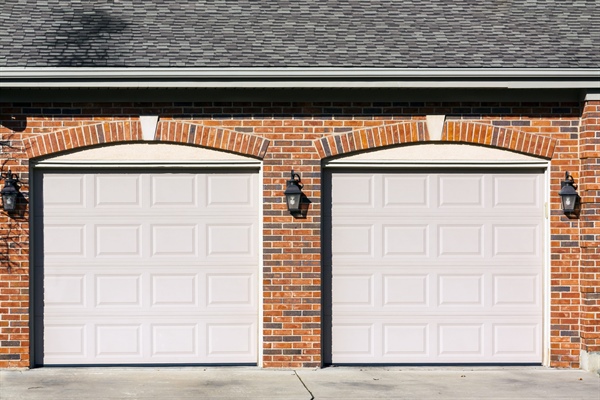
A noisy garage door is more than an annoyance. Grinding, scraping, squeaking, and rattling sounds often signal that important components are wearing down or moving out of alignment. Because a garage door system operates under significant tension and weight, even minor changes in sound can point to developing mechanical issues. Homeowners in Wisconsin often notice these noises more frequently during seasonal temperature swings, when metal parts expand and contract and lubrication breaks down faster.
Modern Overhead Door has worked with residential garage systems throughout Northeast Wisconsin since 1984, helping homeowners identify the causes behind unusual garage door sounds before they develop into larger operational failures. Some noises are caused by dry rollers or loose hardware, while others may indicate damaged tracks, failing springs, or opener problems. Understanding the difference can help homeowners respond quickly and avoid unnecessary damage to their doors, openers, and safety systems.
Many homeowners first notice unusual sounds when their garage doors begin operating unevenly or require more force to open and close. In some cases, the sound develops gradually over time. In others, a sudden grinding or scraping noise may indicate an immediate mechanical issue that requires inspection. The sections below explain the most common causes of garage door noise, what parts should be inspected, and when professional service becomes necessary.
What Causes a Garage Door to Make Grinding or Scraping Noises?
Grinding and scraping noises usually occur when metal components begin making direct contact during operation. One of the most common causes is track misalignment. Garage door tracks are designed to guide rollers smoothly during opening and closing cycles. If the tracks become bent, loose, or shifted, rollers can scrape against the metal instead of moving freely inside the track system. This often creates a harsh grinding sound that becomes louder as the door travels.
Worn rollers are another frequent source of grinding noises. Older steel rollers without proper bearings can deteriorate over time, especially in climates with moisture and temperature fluctuations. As the rollers wear down, they no longer rotate correctly and instead drag along the tracks. Nylon rollers may also crack or lose their smooth surface, creating vibration and friction during movement. In Northeast Wisconsin, exposure to winter moisture and road salt can accelerate corrosion on metal components, increasing the likelihood of scraping noises.
Garage door opener systems can also produce grinding sounds when internal gears begin wearing out. Chain-drive openers may create metallic grinding noises if the chain loses proper tension or if the sprocket assembly becomes damaged. Belt-drive systems can develop scraping sounds when pulleys or bearings wear unevenly. Homeowners considering upgrades to ageing systems often review modern garage doors and opener combinations designed for quieter operation and improved long-term reliability.
Loose mounting brackets, damaged hinges, and improperly balanced doors may also contribute to scraping noises. When a garage door becomes unbalanced, extra pressure is placed on the tracks and rollers, forcing components to move unevenly. Over time, this stress can create metal-on-metal contact throughout the system. A full inspection typically includes evaluating track spacing, roller condition, spring balance, and opener calibration to determine the exact source of the grinding noise.
Why Does My Garage Door Squeak Every Time It Opens or Closes?
Squeaking noises are commonly linked to friction between moving parts that no longer have proper lubrication. Garage doors contain multiple high-motion components, including rollers, hinges, springs, bearings, and pulleys. As lubrication dries out, these parts begin producing high-pitched squeaking sounds during operation. Temperature fluctuations throughout Wisconsin can accelerate lubricant breakdown, particularly during cold winters and humid summers.
Hinges are one of the most common squeak points on residential garage systems. Every time the garage door bends along the curved track, the hinges pivot and flex. Without lubrication, these pivot points begin creating friction and noise. Rollers can produce similar squeaking sounds when bearings dry out or accumulate dirt and debris. In many older systems, steel rollers generate more noise than newer nylon roller systems because they transfer more vibration throughout the door assembly.
Extension springs and torsion spring systems may also squeak when the coils begin rubbing together during movement. Springs operate under extreme tension and require proper lubrication to reduce friction and corrosion. Regular inspections as part of routine residential services often identify spring wear before louder noises or operational problems begin to develop.
Garage door openers may contribute to squeaking as well. Motor bearings, drive rails, and chain assemblies can all create noise if lubrication intervals are neglected. In some cases, squeaking may indicate loose hardware rather than lubrication failure alone. Bolts, brackets, and fasteners naturally loosen over time due to repeated vibration cycles. Tightening and inspecting hardware helps reduce excess movement that contributes to recurring squeaks.
How Can I Tell if a Noisy Garage Door Means a Serious Mechanical Problem?
Not every garage door noise signals a major repair issue, but certain sounds should never be ignored. Loud grinding, popping, banging, or sudden scraping noises often indicate mechanical stress or component failure. If the garage door begins moving unevenly, jerking during operation, or stopping unexpectedly while making noise, the issue may involve damaged springs, failing rollers, or the opener.
A sudden bang resembling a firecracker is commonly associated with a broken torsion spring. Torsion springs store significant energy to counterbalance the weight of the garage door. When a spring breaks, the door may become extremely heavy, difficult to lift, or completely inoperable. Continuing to operate the opener after a spring failure can damage the opener motor and create additional safety hazards.
Homeowners should also pay attention to changes in door movement alongside unusual sounds. If the door tilts unevenly, hesitates during travel, or appears off-balance, the noise may indicate structural strain. Frayed cables, loose drums, worn bearings, and damaged tracks can all contribute to unsafe operation. Ignoring these warning signs may increase wear on surrounding components and shorten the lifespan of the entire system.
In Ripon and surrounding Wisconsin communities, moisture exposure and seasonal freezing conditions can worsen existing garage door problems. Rust buildup on tracks, hinges, springs, and rollers may cause systems to operate unevenly and create louder mechanical noises over time. Regular inspections help identify whether unusual sounds are related to minor maintenance needs or developing mechanical failures that require immediate repair.
What Parts of a Garage Door Should Be Checked When Unusual Sounds Start?
When unusual garage door noises begin, several key components should be inspected systematically. Rollers are often one of the first parts evaluated because they experience constant movement during operation. Cracked nylon rollers, worn steel rollers, or seized bearings commonly produce squeaking, grinding, or rattling noises. Rollers should move smoothly within the tracks without excessive wobbling or resistance.
Tracks should also be inspected for dents, bends, loose mounting brackets, and debris accumulation. Even small track obstructions can force rollers out of alignment and create scraping sounds. Technicians often check track spacing and vertical alignment to confirm the garage door travels evenly from top to bottom. Loose fasteners and shifting brackets can gradually alter track positioning over time.
Garage door springs, hinges, and cables also require close examination when noises develop. Springs should appear evenly tensioned without visible gaps, rust buildup, or deformation. Hinges should pivot smoothly without excessive movement or cracking. Frayed lifting cables may produce snapping or grinding sounds as they move around drums during operation. These inspections become especially important as garage doors age and cycle counts increase.
The opener system itself should also be evaluated. Chain-drive systems require proper tension, while belt-drive systems should be checked for wear, fraying, or pulley damage. Safety sensors, mounting brackets, and rail systems should remain securely fastened to minimise vibration and operational strain. Modern Overhead Door often inspects the full system together because garage door noises rarely originate from a single isolated component.
When Should You Call a Professional to Fix a Noisy Garage Door?
Professional service is recommended anytime a garage door begins making sudden, severe, or worsening noises. Grinding, popping, scraping, or banging sounds accompanied by uneven movement should be inspected immediately. Garage doors operate under high spring tension and significant weight, making improper repairs potentially dangerous. Attempting to adjust springs, cables, or opener settings without proper tools and training can result in injury or additional property damage.
Homeowners should also contact a professional if lubrication and basic maintenance do not resolve the noise. Persistent squeaking may indicate deeper bearing wear, track alignment problems, or opener strain that requires mechanical adjustment. If the garage door reverses unexpectedly, becomes difficult to lift manually, or no longer closes evenly, a trained technician should inspect the entire operating system.
Professional inspections also help identify hidden wear that may not yet be visible to homeowners. Factory-trained technicians often evaluate spring balance, opener force settings, cable tension, roller condition, and track alignment together because these systems operate as a connected mechanical assembly. Modern Overhead Door provides inspections and repair services throughout Northeast Wisconsin, helping homeowners address noise issues before they escalate into complete operational failures.
For homeowners hearing unusual garage door sounds repeatedly, scheduling professional service early may help prevent more extensive repairs later. Long-term operation with damaged rollers, failing springs, or misaligned tracks increases strain on opener systems and structural hardware. In many cases, addressing smaller issues quickly reduces repair costs and helps extend the lifespan of the overall garage door system.
Professional Garage Door Service for Noisy and Damaged Systems
At Modern Overhead Door, we understand how frustrating and concerning garage door noises can become. Grinding, scraping, squeaking, and rattling sounds often indicate that important components are beginning to wear down or fall out of alignment. Our team works with homeowners across Northeast Wisconsin to diagnose these issues accurately and restore safe, reliable garage door performance.
We provide professional inspections, repairs, garage door installations, opener replacements, spring repairs, and accessory upgrades designed to keep residential garage systems operating smoothly year-round. Whether the problem involves worn rollers, damaged tracks, failing springs, or opener strain, our factory-trained technicians have the experience to identify the source quickly and recommend the proper solution. We proudly serve homeowners from our Ripon and Wild Rose locations with the same professional workmanship that has defined our company since 1984.
If your garage door has started making unusual noises, do not wait until the issue worsens or causes additional mechanical damage. Modern Overhead Door provides reliable garage door service throughout the region with straightforward communication and quality workmanship. Contact Modern Overhead Door at 920-748-5000 to schedule service or request a free estimate.