Wisconsin Garage Door Maintenance Checklist for Winter
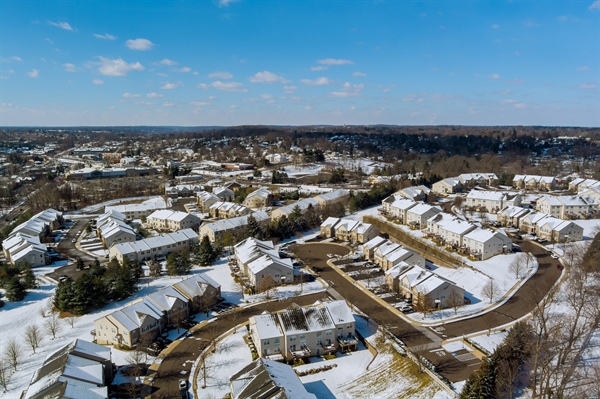
Wisconsin winters can put serious stress on a garage door system. Heavy snow, freezing rain, fluctuating temperatures, and high winds all create conditions that affect garage door springs, rollers, tracks, seals, and openers. When temperatures drop below freezing, metal components contract, lubrication thickens, and worn parts often fail without warning. Homeowners throughout Northeast Wisconsin frequently discover problems during the first major cold snap of the season, especially when garage doors have not been inspected or maintained before winter arrives.
Preparing a garage before winter is about more than convenience. A properly maintained garage door helps protect vehicles, tools, stored belongings, and nearby living spaces from moisture intrusion, cold drafts, and energy loss. Modern Overhead Door has worked with homeowners across Ripon and Northeast Wisconsin since 1984, helping residents maintain safe and reliable garage door systems through some of the harshest winter conditions in the Midwest. From routine general maintenance to insulated garage door upgrades, cold-weather preparation plays a major role in extending equipment life and preventing unexpected breakdowns.
Winter garage preparation involves several key areas, including seasonal maintenance inspections, cold-weather lubrication, weather seal protection, garage door opener reliability, and energy efficiency improvements. Understanding the warning signs of winter-related garage door problems can help homeowners address minor issues before they become major repairs during severe weather conditions. The following sections explain the most important maintenance tasks and winter preparation strategies for Wisconsin garages.
Essential Garage Door Maintenance Tasks Before Wisconsin Winter
Garage door systems operate under significant mechanical tension throughout the year, but winter weather increases stress on every moving component. Before freezing temperatures arrive, homeowners should inspect springs, rollers, hinges, cables, brackets, and tracks for visible wear, corrosion, or looseness. Small alignment issues that appear minor during warmer months can become major operational problems during winter because metal contracts in low temperatures. Even slightly worn rollers or frayed cables may struggle once snow, ice, and cold weather affect the system.
Garage door balance testing is another critical maintenance task before winter begins. A properly balanced garage door should stay partially open when manually lifted halfway. If the door rapidly falls or rises, spring tension may be incorrect. An unbalanced door places additional strain on the opener motor, especially during cold weather when mechanical resistance increases. Wisconsin winters often expose weak springs because colder temperatures reduce metal flexibility and increase brittleness. Spring failures become more common during sudden temperature drops.
Weather seals and bottom rubber seals should also be inspected carefully before winter. Cracked or hardened seals allow cold air, moisture, snow, and road salt into the garage. Over time, water intrusion contributes to rust formation on tracks, hinges, brackets, and opener hardware. Homeowners scheduling seasonal general maintenance often address worn seals before they lead to larger structural or insulation problems. Cleaning tracks, removing debris buildup, and tightening visible hardware can also improve winter performance and reduce strain on moving components.
How to Protect Garage Doors From Snow, Ice, and Freezing Temperatures
Snow and ice accumulation near the bottom of the garage door is one of the most common winter problems in Wisconsin. Melting snow from vehicles frequently refreezes overnight, causing the bottom seal to freeze directly to the concrete floor. Attempting to force the garage door open while frozen can damage the opener, bend panels, strip gears, or break springs. Homeowners should regularly remove packed snow and ice from the base of the garage door using plastic tools that will not damage weather seals or painted surfaces.
Cold weather also affects garage door tracks and rollers. Moisture from snow-covered vehicles can introduce water into the track system, where freezing temperatures may create ice buildup that interferes with roller movement. Keeping the garage floor clean and dry reduces moisture exposure and helps preserve metal components. Many homeowners in Wisconsin also install insulated garage doors because insulated panels reduce interior condensation that can contribute to freezing conditions around the door system. Modern insulated systems offered through residential services are designed to improve thermal efficiency while helping garage systems withstand severe Northeast Wisconsin winters.
Wind-driven snow and fluctuating temperatures can also affect garage door alignment over time. Homeowners should watch for gaps along the sides or bottom of the door, since even small openings allow freezing air and moisture to enter the garage continuously. Replacing damaged perimeter seals and inspecting insulation around the garage structure helps reduce thermal transfer and protects nearby living areas. Wisconsin homes with attached garages often experience noticeable indoor heat loss when garage sealing systems deteriorate during the winter months.
Why Garage Door Lubrication Matters During Wisconsin Winters
Garage door lubrication becomes especially important during winter because cold temperatures increase friction throughout the system. Rollers, hinges, bearings, torsion springs, and opener chains all experience greater resistance when temperatures fall below freezing. Without proper lubrication, components may become noisy, sluggish, or difficult to operate. Increased friction also accelerates wear on moving parts and places additional strain on opener motors.
Not all lubricants perform well during winter weather. Heavy grease products often thicken in freezing temperatures, which can worsen operational problems instead of improving them. Garage door manufacturers and service professionals typically recommend silicone-based or lithium-based lubricants specifically designed for overhead door systems. These products remain stable during temperature swings and provide smoother operation during Wisconsin winters.
Lubrication should be applied carefully to rollers, hinges, bearings, torsion springs, and opener chains or screw drives where applicable. Tracks generally should not be heavily lubricated because excessive buildup can attract dirt and debris. Consistent lubrication also helps reduce vibration and noise levels during winter operation. Homeowners often notice quieter performance and smoother door movement immediately after cold-weather lubrication maintenance is completed. Seasonal lubrication can also help reduce premature wear on high-cycle components exposed to repeated freezing conditions.
Warning Signs Your Garage Door May Struggle During Extreme Winter Weather
Garage doors often show warning signs before winter failures occur. Slow opening speeds, jerky movement, excessive vibration, grinding noises, and uneven travel patterns may all indicate worn components that could worsen during freezing weather. If the garage door hesitates before moving or reverses unexpectedly, the opener system may already be under excessive strain. Cold temperatures typically amplify existing mechanical issues.
Visible rust, frayed cables, bent tracks, and damaged rollers are also important warning indicators. Metal fatigue becomes more severe during winter because colder temperatures reduce flexibility in springs and hardware. Torsion springs that are nearing the end of their service life often fail during sudden cold snaps. Wisconsin homeowners frequently experience spring failures during overnight temperature drops because thermal contraction increases stress on already weakened metal.
Another common warning sign involves air infiltration around the garage door perimeter. Drafts, visible daylight gaps, and moisture accumulation near the bottom seal may indicate worn weather stripping or alignment issues. Garage doors that struggle to fully close during winter storms can allow snow, ice, and freezing air into the garage continuously. Homeowners should also monitor opener response times and sensor performance, especially after snow accumulation or freezing rain events. Delayed operation and inconsistent sensor alignment can create reliability issues during severe winter weather.
How Garage Insulation Improves Energy Efficiency During Wisconsin Winters
Garage insulation plays a major role in reducing winter heat loss, especially in attached garages. During Wisconsin winters, uninsulated garage doors allow significant thermal transfer because large metal door surfaces conduct cold temperatures directly into the garage space. Cold garage temperatures can affect adjacent rooms, increase heating demands, and create uncomfortable indoor conditions near shared walls and ceilings.
Insulated garage doors use layered steel construction combined with insulation materials that improve thermal resistance. Higher insulation values help stabilize garage temperatures and reduce heat loss during prolonged cold weather. This becomes especially important when garages are used for workshops, storage areas, home gyms, or utility access. Many Wisconsin homeowners also notice reduced drafts and improved comfort after upgrading insulation throughout the garage system.
Energy efficiency improvements extend beyond the garage door panels themselves. Bottom seals, perimeter weather stripping, insulated walls, ceiling insulation, and proper ventilation all contribute to winter performance. Modern Overhead Door provides insulated garage door systems designed for Wisconsin weather conditions, and many homeowners exploring cold-weather efficiency upgrades review available options through Modern Overhead Door. Improved insulation can also help reduce condensation buildup, minimize ice formation, and create more stable operating conditions for garage door components throughout winter.
Protect Your Garage Door Before Winter Weather Arrives
At Modern Overhead Door, we understand how demanding Wisconsin winters can be on garage door systems. Since 1984, we have helped homeowners throughout Northeast Wisconsin prepare their garages for freezing temperatures, snow accumulation, ice buildup, and seasonal wear. From garage door inspections and lubrication services to insulated garage door installations and opener upgrades, our team focuses on reliable workmanship and long-term performance.
Our factory-trained technicians work with homeowners to identify worn springs, damaged rollers, failing seals, opener problems, and insulation issues before winter weather creates larger repair concerns. We provide residential garage door maintenance, repairs, insulated door installations, weather seal replacement, opener services, and accessory upgrades designed for Wisconsin conditions. Whether your garage door needs preventative maintenance or a complete replacement, we provide professional service backed by decades of local experience.
Contact Modern Overhead Door today to schedule winter garage door service or request a free estimate. Call us at 920-748-5000 to learn more about protecting your garage during Wisconsin winters.